Nature creates value
Healthy ecosystems provide measurable services such as carbon storage, coastal protection, productive fisheries, tourism, water regulation, and biodiversity.
ReGDP™: Regenerative GDP
Explore how recognizing living nature as productive economic infrastructure can affect public revenue, sovereign wealth, and debt sustainability.
From living nature to fiscal resilience
Why ReGDP?
Conventional economic measures often recognize value when nature is extracted or degraded, while overlooking the continuing economic value generated by healthy living systems. ReGDP extends economic and fiscal analysis by recognizing living nature as a productive asset that generates measurable benefits and income.
Healthy ecosystems provide measurable services such as carbon storage, coastal protection, productive fisheries, tourism, water regulation, and biodiversity.
Countries can recognize this value through revenues, investment, stronger natural assets, and improved sovereign balance sheets.
The dashboards illustrate how nature-related value could affect public debt, debt-to-GDP, fiscal resilience, and sovereign wealth.
ReGDP in practice
Each case applies the ReGDP framework to a different natural asset, economic context, and potential fiscal pathway.
 Seagrass Ecosystem
Country case study
Seagrass carbon and sovereign debt
Explore how carbon revenues associated with protecting the Bahamas’ seagrass ecosystems could change its long-term public debt trajectory and increase sovereign net worth.
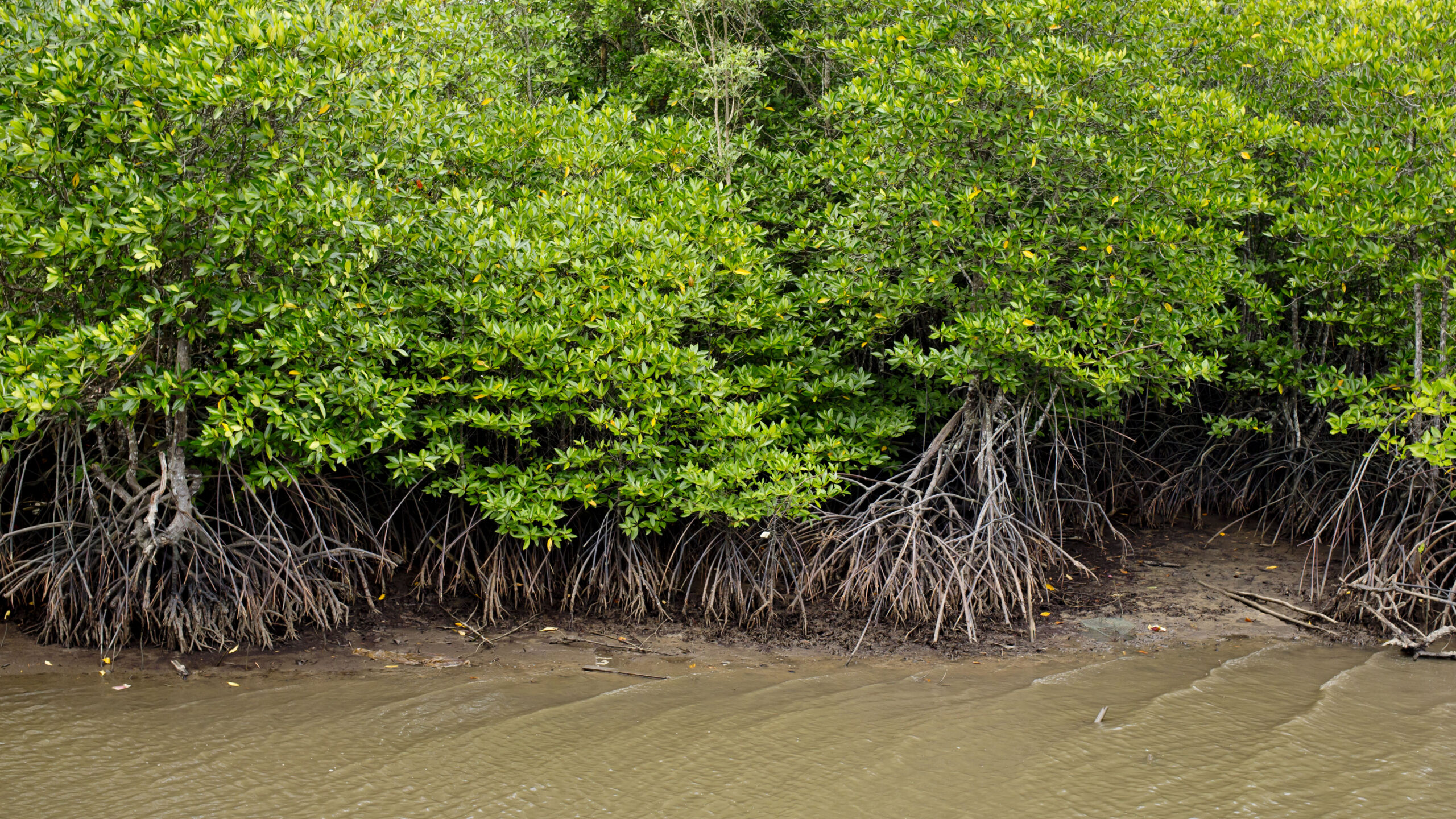 Mangrove Ecosystem
Country case study
Mangrove value and public debt
Examine how the economic value of Indonesia’s mangroves could contribute to nature-related revenues, sovereign wealth, and long-term public-debt sustainability.
 National Natural Capital
Country case study
Nature revenue and fiscal sustainability
Explore how recognizing the productive value of Panama’s natural capital and directing associated revenues toward public finances could alter its long-term debt trajectory.
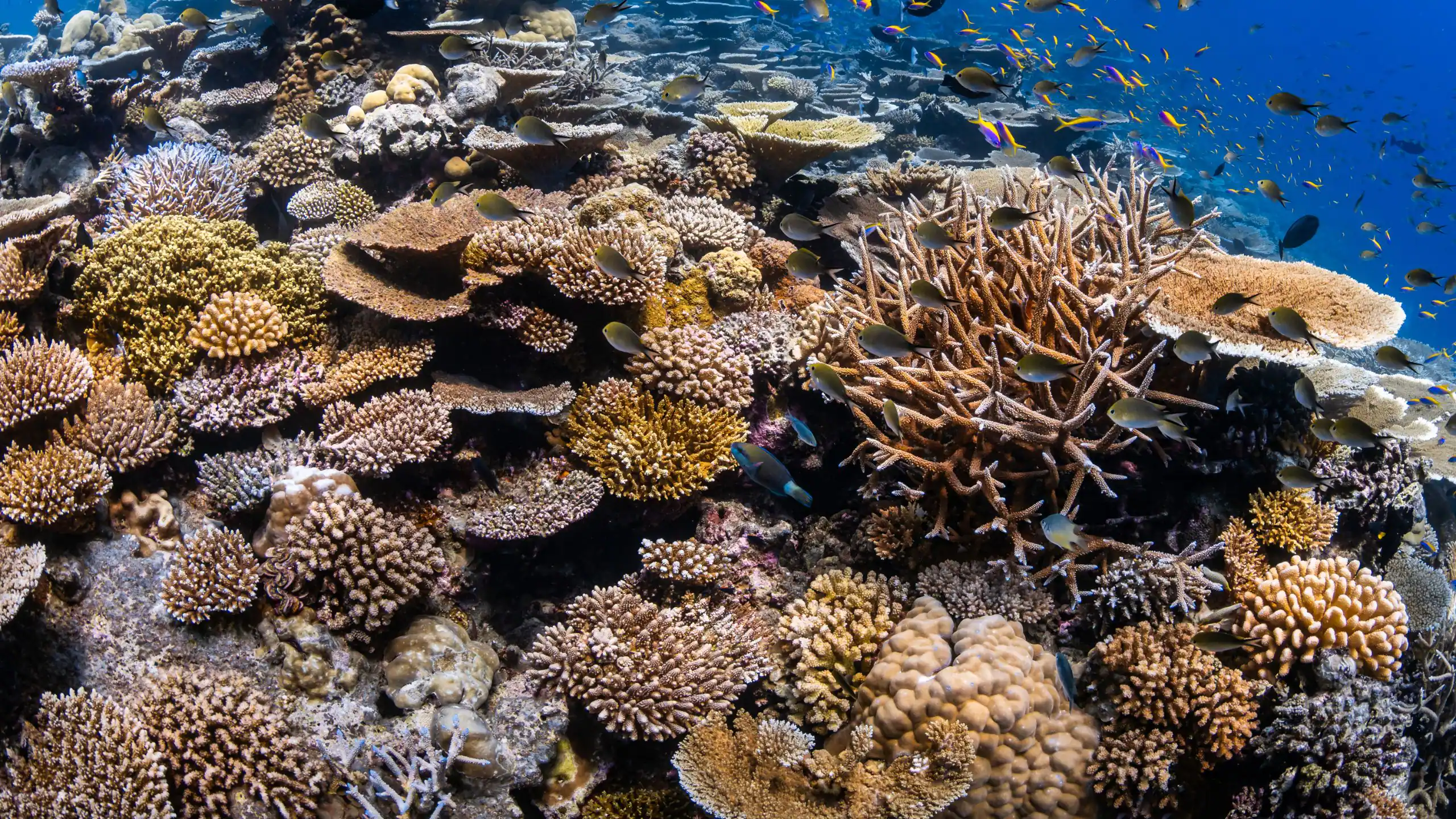 Coral Reef Ecosystem
Country case study
Coral-related activity and taxation
Explore how capturing a greater share of the economic value supported by coral reefs could strengthen public finances and improve the Maldives’ long-term debt outlook.
Using the tool
Each dashboard combines a country-specific baseline with adjustable assumptions about the value generated by living nature and how that value enters the economy.
Each example focuses on a particular natural asset, economic context, and nature-related revenue mechanism.
Use the dashboard controls to test alternative revenue, taxation, or allocation scenarios.
See how the selected scenario affects public debt, debt-to-GDP, annual revenue, and sovereign net worth.
The common framework
Each dashboard follows the same broad logic while using country-specific ecological, economic, and fiscal assumptions. The examples focus on one potential channel through which the value generated by living nature can affect sovereign outcomes.
A productive ecosystem or portfolio of natural assets generates valuable services and benefits.
The living system is recognized as a productive asset on the sovereign balance sheet.
Ecosystem services generate revenues, income, avoided losses, and stronger sovereign assets.
Scenarios illustrate potential effects on public revenue, debt, debt-to-GDP, and sovereign net worth.
Reading the results
The dashboards demonstrate how making the productive value of living nature visible can change fiscal analysis. They do not predict one guaranteed policy, market, or macroeconomic outcome.
Blue Green Future works with governments, researchers, financial institutions, and conservation partners to make the economic value of living nature visible.

